Brazil backs away from the virus brink as deaths top 400,000

RIO DE JANEIRO (AP) — For most of this month, intensive care units across Brazil were at or near capacity amid a crush of COVID-19 patients, and sedatives needed to intubate patients dwindled. The nation’s biggest cemetery had so many corpses to bury that gravediggers worked hours past sundown.

But Brazil has stepped back from the edge — at least for now — as burial and hospital services no longer face collapse. It has ceased to be the virus’ global epicenter, as its death toll ebbed and was overtaken by India’s surge. Experts warn, however, that the situation remains precarious, and caution is warranted.

The number of states with ICU capacity above 90% has slipped to 10, from 17 a month ago, according to data from the state-run Fiocruz medical research institute. And nighttime burials at Vila Formosa and three other cemeteries in Sao Paulo were suspended Thursday, after two weeks of declining deaths.
That comes as cold comfort in a country where some 2,500 people died every day over the past week, more than triple the number in the U.S. Brazil surpassed the grim milestone of 400,000 confirmed deaths on Thursday — a number considered by experts to be an undercount, in part because lack of testing meant many cases were overlooked, especially early in the pandemic. The seven-day average has retreated from more than 3,100 deaths in mid-April, but Fiocruz warned in a bulletin Wednesday that it may plateau —and at an even higher level than it did last year.

“Our goal now is to make the numbers keep going down instead of stabilizing. That’s the most crucial thing,” said Pedro Hallal, an epidemiologist and coordinator of Brazil’s largest COVID-19 testing program. “It’s good that they’re going down, but let’s not assume that this will be the last wave. There is hope that it will be the last wave, because of the vaccine, but that needs to be confirmed.”In this March 4, 2021, COVID-19 patients rest in a field hospital built inside a sports coliseum on the outskirts of Sao Paulo. (Andre Penner)

Given slow vaccine rollout, there are millions more Brazilians vulnerable to infection, Hallal added, and the threshold scientists believe is needed to stop uncontrolled spread — 70% or higher of the population with immunity through vaccination or past infection — remains distant.

Brazil’s death toll of 401,186 is the world’s second-highest, with the majority recorded in just the last four months as a more contagious variant swept the nation. Friday morning, demonstrators laid rows of body bags on the sand of Rio de Janeiro’s Copacabana beach to represent the dead.An activist from the NGO “Rio de Paz” digs a mock grave in the sand by symbolic body bags on Copacabana beach. (AP Photo/Lucas Dumphreys)

Throughout the thick of the Southern Hemisphere’s summer, crowds gathered and people boarded public transport in droves as mayors and governors relaxed the restrictions on activity that Brazil’s President Jair Bolsonaro fervently opposes.

Some mayors and governors tightened such measures over the last month, helping to revert the surge of infections, Fiocruz said. However, they have begun reopening again amid the early, encouraging data.

Valter Gomes, a 33-year-old textile worker in central Sao Paulo, has noted more people riding trains and reopening shops.Brazil’s President Jair Bolsonaro, center, arrives for a press conference in capital Brasilia. (AP Photo/Eraldo Peres)

“Often the pandemic gets worse because a lot of people who have the opportunity to stay home don’t. They go out instead,” he said. “If everyone contributed, I don’t think there would be such a big crisis of having to stop work, having these lockdowns.”

Researchers at Imperial College London this week said Brazil’s transmission rate has reached its lowest rate in months.

But the rate remains high, said Domingos Alves, an epidemiologist tracking COVID-19 data, and he argues it’s too soon to roll back restrictions. Brazil risks repeating the errors of European countries that have seen third surges, because the country’s decline in infections isn’t yet sustained, he said.

“The situation in all Brazilian states requires adoption of more drastic measures to contain the virus,” said Alves, an adjunct professor of social medicine at the University of Sao Paulo. “The number of cases is very high and we aren’t doing anything to contain the virus.”

Brazil’s number of confirmed cases is widely believed to be an undercount, and the virus is also gaining ground among its neighbors. The ICUs in Argentina’s capital, Buenos Aires, have been pushed to critical levels. Peru, Venezuela, Uruguay and Colombia have seen cases jump in recent weeks. Health experts have cited the circulation of variants, including a strain believed to have originated in Brazil’s Amazon, as a contributing factor.

“It’s no surprise that many countries in our region have tightened public health measures by extending curfews, limiting re-openings and imposing new stay-at-home orders,” said Carissa Etienne, director of the Pan American Health Organization. “These decisions are never easy, but based on how infections are surging, this is exactly what needs to happen.”

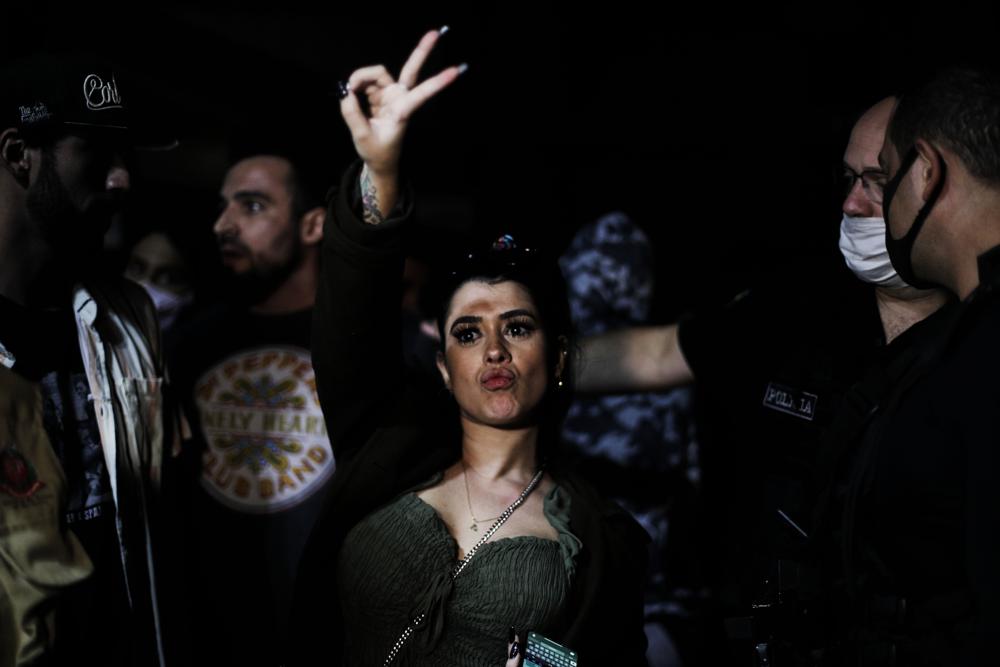
Such recommendations remain anathema to Bolsonaro; last weekend he called lockdown measures “absurd” and suggested he could order the army into the streets to restore order.In this March 30 photo, commuters wearing protective face masks amid the COVID-19 pandemic, ride in a crowded public bus, in Rio de Janeiro. (AP Photo/Bruna Prado)A woman flashes a V sign as police break up a social gathering during an operation against illegal and clandestine gatherings in Sao Paulo. (AP Photo/Marcelo Chello)

The president has consistently downplayed the disease and dispensed false hope by touting unproven drugs, which critics say only added to the nation’s death toll. This week the Senate began an investigation into the government’s alleged failures in managing the pandemic.
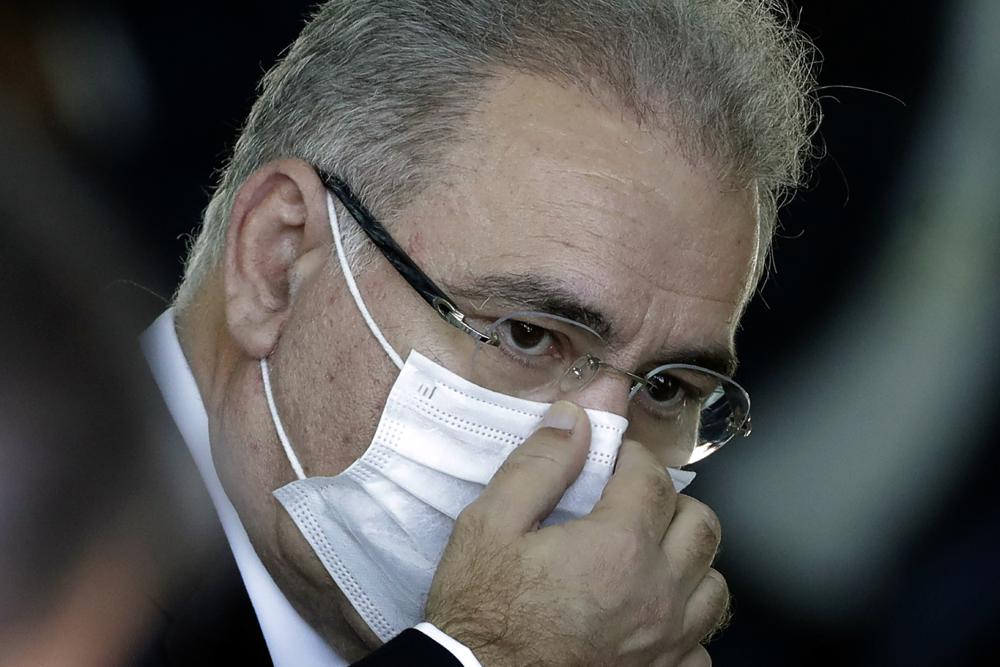
The troubled response has been reflected in health minister turnover; the fourth man to occupy the post during the pandemic, Dr. Marcelo Queiroga, took over last month. He has spoken of the need to boost vaccine supply, personally consults with scientists and has so far displayed the autonomy to promote mask use and social distancing. That marks something of a shift from his predecessor, an active-duty general who made explicit his deference to Bolsonaro’s wishes on health policy.

Queiroga told reporters this week that the decrease in hospitalizations has eased demand for oxygen and sedatives for intubation. Stopgap donations from big businesses and the governments of Canada and Spain also shored up supply. The Health Ministry is also preparing a tender for the acquisition of more sedatives.

The minister has stopped short of embracing public health experts’ calls for lockdowns and restrictions on activity, and hasn’t ruled out use of drugs that rigorous testing has shown to be ineffective. But he showed recognition that Brazil isn’t yet free and clear, and remains in “a very serious moment of the pandemic.”Brazil’s new Health Minister Marcelo Queiroga adjusts his protective face mask before the start of a press conference
Queiroga joined the World Health Organization’s Friday news briefing, and didn’t comment on Brazil’s grim milestone of 400,000 deaths.

The WHO’s director-general, Tedros Adhanom Ghebreysus, said the pandemic still threatens to unravel gains Brazil’s health care system achieved over decades, but commemorated the recent decline in COVID-19 hospitalizations, cases and deaths.

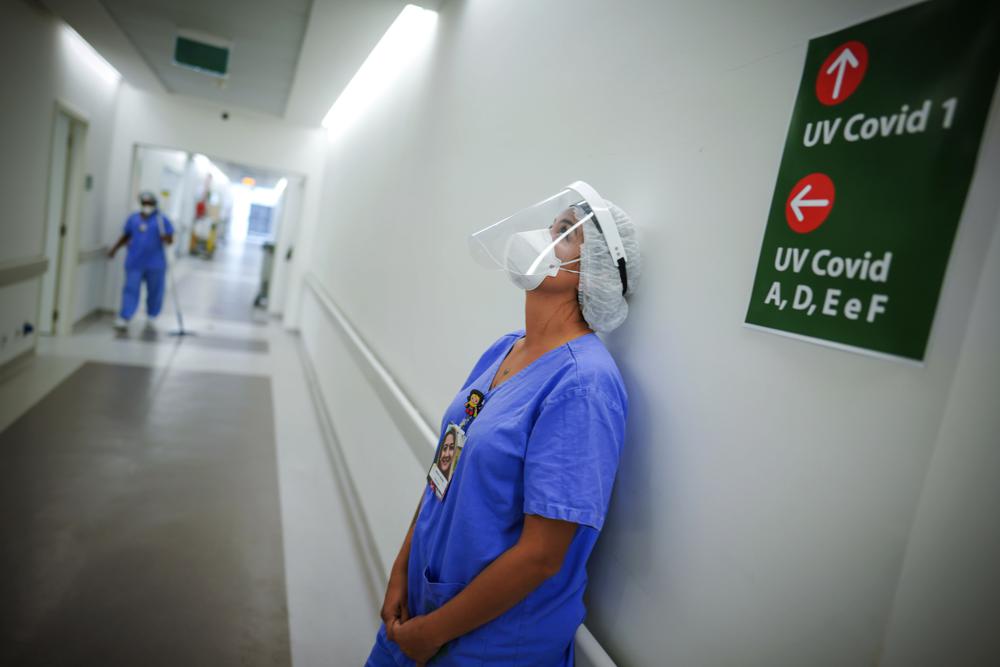
“We hope this trend continues,” Tedros said, “but the pandemic has taught us that no country can ever let down its guard.”In this March 19, 2021 photo, a healthcare worker lends against a wall in the corridor of an ICU unit for COVID-19 patients at the Hospital das Clinicas in Porto Alegre. (AP Photo/Jefferson Bernardes)

source: https://apnews.com/article/brazil-pandemics-coronavirus-business-health-5098f08f4bb99e87cff842504ae2da83

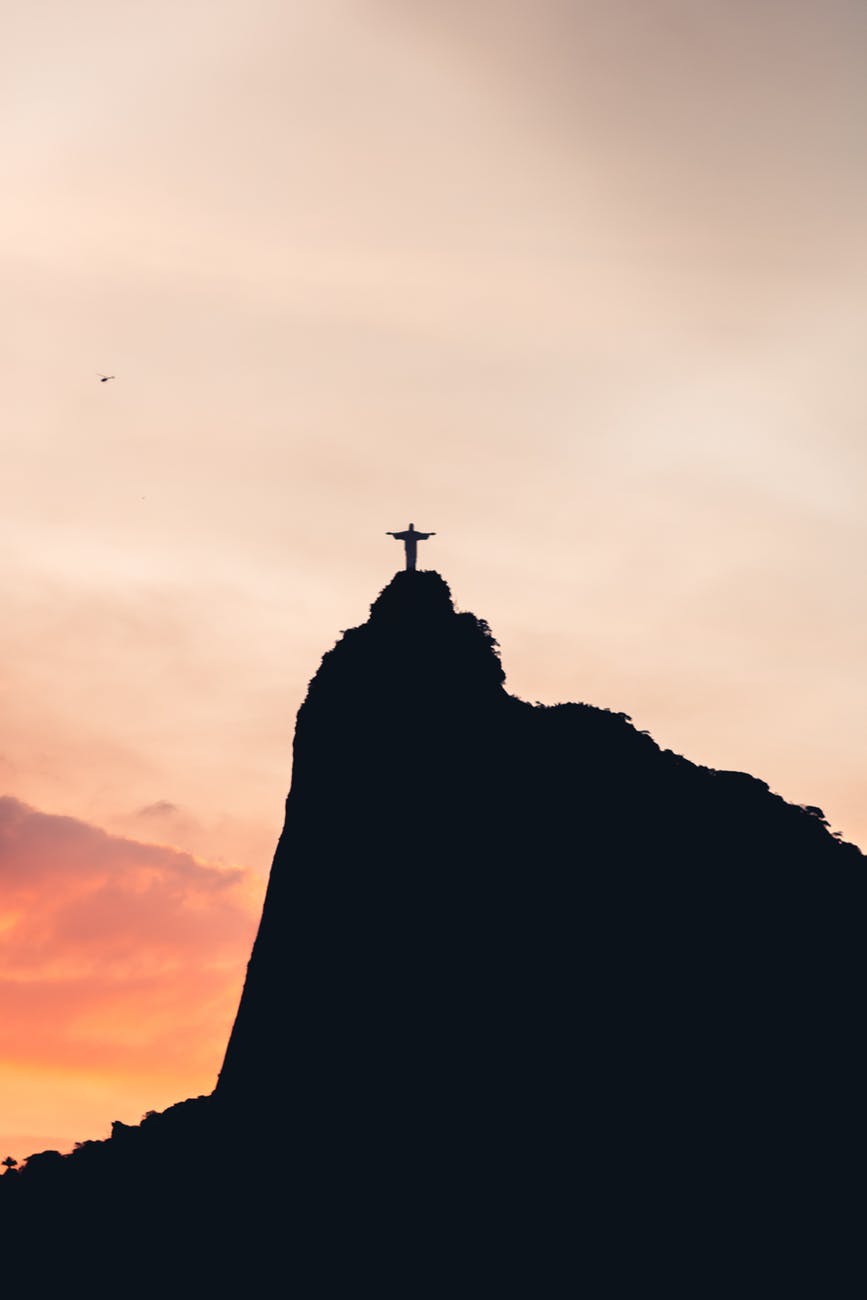
Full Day in Rio: Christ the Redeemer, Sugarloaf, Maracana and Selaron with Lunch

By C2Rio Tours & Travel

Photo by Carlos Meneses on Pexels.com

Travel safe during COVID-19Last updated: Jul 9, 2020A note from Full Day in Rio: Christ the Redeemer, Sugarloaf, Maracana and Selaron with LunchTours serão operados com capacidade reduzida à 50%What you can expect during your visitRegularly sanitized high-traffic areasGuides required to regularly wash handsHand sanitizer available to travelers and staffView all safety measures

AboutThis full-day tour of Rio de Janeiro with convenient hotel pickup is a popular choice for visitors with limited time in the area. Going with a guide means you hit all the city’s highlights without the stress of navigating and hear important context about landmarks along the route, including the Christ the Redeemer statue, Sugarloaf Mountain, and the Selarón Steps. Round out the tour with a well-deserved Brazilian-style lunch.Know before you go

  • Duration: 8h
  • Mobile tickets accepted
  • Instant confirmation

Cancellation policy

  • For a full refund, cancel at least 24 hours in advance of the start date of the experience.

Important informationInclusionsGuided full-day city tour of Rio de Janeiro via air-conditioned van • Entrance fees to Christ the Redeemer and Sugarloaf • Barbecue buffet lunch at Brazilian steakhouse • Professional guide with live tour commentary in English, Spanish & Portuguese. • Hotel pickup and drop-off from hotels in South Zone (Copacabana, Ipanema, Leblon, Leme) and West Zone (Barra da Tijuca) hotels • Comfortable air-conditioned van with maximum capacity of 19 passengersExclusionsDrinks (available to purchase during lunch) • GratuitiesDuration8hDeparture detailsTraveler pickup is offered.Departure Point: Hotels in Rio de Janeiro’s South Zone (Copacabana, Leme, Ipanema, Leblon) and West Zone (Barra da Tijuca) Return point: Hotels in Rio de Janeiro’s South Zone (Copacabana, Leme, Ipanema, Leblon) and West Zone (Barra da Tijuca)Copacabana, Rio de Janeiro – State of Rio de Janeiro, Brazil Hotels in Copacabana.Ipanema, Rio de Janeiro – State of Rio de Janeiro, Brazil Hotels in Ipanema.Leblon, Rio de Janeiro – State of Rio de Janeiro, Brazil Hotels in Leblon.Leme, Rio de Janeiro – State of Rio de Janeiro, Brazil Hotels in Leme.Barra da Tijuca, Rio de Janeiro – State of Rio de Janeiro, Brazil Hotels in Barra da Tijuca.Hotel pickup is offered. View the hotel list on our checkout page to see if yours is included among the pickup points.Read more

Source : https://www.tripadvisor.com/AttractionProductReview-g303506-d11465259-Full_Day_in_Rio_Christ_the_Redeemer_Sugarloaf_Maracana_and_Selaron_with_Lunch-Rio_.html

Rio De JANEIRO from a bad reputation to favoritte District.

Here, Rio de Janeiro's economic upswing is at its most tangible. The view at its best. Hotel prices are still reasonable, and the party atmosphere is at its hottest. Join the favelas.
from  https://www.vagabond.no/reportasjer/2015-12/rio-de-janeiro-favela-fra-et-frynsete-rykte-til-favorittbydel

If a few years ago you asked the taxi drivers at the entrance to the Vidigal favela if they could drive you up to Arvrão on top of the favela, they would think you were crazy. Arvrão is a large tree where drug cartels used to hang their enemies. Now, almost three years later, the cartels have been disarmed, and the square by the Big Tree has become one of the most popular vantage points in Rio. Tourists are queuing to ride a mototaxi up to the top. I approach one of the taxi boys and ask if he can drive me up.

  • It costs 30 kroner, he says. I explain that I am not a tourist, but have lived in Rio for the last 12 years. It does not matter. Those who live in Vidigal pay a tier. Everyone else pays 30 kroner. I hop on the motorcycle and he hands me a helmet. The trip goes up the paved road that turns through the favela with 14,000 inhabitants. In the beginning we see sushi bars, brokerage offices and internet cafes along the streets. Commerce is flourishing. Old dilapidated houses have given way to modern apartments. The economic development in Brazil is most visible in the favelas. As we approach the top, the road becomes narrower and the asphalt is replaced with cobblestones. It feels like you have gotten out into the countryside. The houses are colorful and not as close together. It is quiet, the trees are in bloom and those who live here are walking slowly along the sidewalks. Further up is the new hotel where the upper class tends to hold its infamous parties. The mototaxi drops me off outside, and I walk the last stretch up to Arvrão. The large tree rises in the square, which offers the best views of the beaches of Leblon and Ipanema. A cool breeze blows in, and I understand why tourists go right here. Two Brazilian models from the white, southern part of Rio admire the view. Despite living in Rio for many years, this is the first time they are in a favela.
Rom med utsikt fra hotellet Mirante do Arvrão i Vidigal.
  • I did not think it would be so quiet and calm, says one model and waves away the hair that blows over the face. – I do not understand why I have been so scared before. The blonde models go into a brick building, and I get curious about what’s hiding in there. From the outside, it looks like there is a poor family living here. Inside I find a modern bar that is more reminiscent of the hip Ipanema. The bar Da Laje (From the Roof) is created by one of Rio’s most famous actors and has a magical view. Along the railing, the sofa groups are spread out, and here and there champagne coolers have been set out. The models settle down and are immediately greeted by a bunch of funkeiros, young local hip hop guys. – Welcome to the favel lounge, they say. The most democratic thing about Rio is that the poorest have the best view. The families cannot afford to have their children in private schools, do not have private health insurance or the opportunity to shop at the city’s exclusive shopping centers, but they own the view that the rich want. By going out on the balcony and watching the waves crash against the beaches down there, the families in Vidigal forget about everyday worries. Recently, tourists have also discovered the charm of staying in a favela.

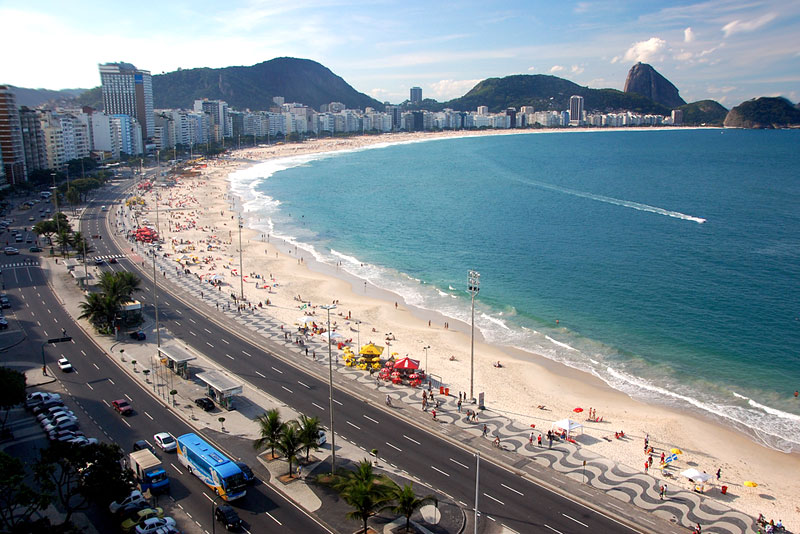
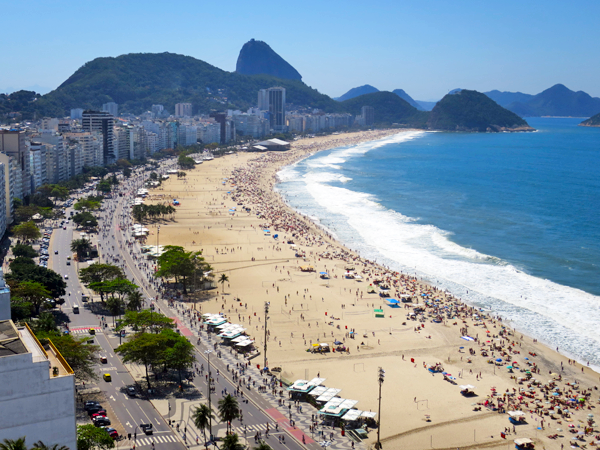
Copacabana Beach

tumblr_nlo6db7sa81ttaa6bo1_1280

Location
Av Atlântica
Rio de Janeiro, Brazil
Location of Copacabana Beach on map© Mapbox© OpenStreetMap contributors

A magnificent confluence of land and sea, the long, scalloped beach of Copacabana extends for some 4km, with a flurry of activity along its length: over-amped soccer players singing their team’s anthem; cariocas (residents of Rio) and tourists lining up for caipirinhas at kiosks; favela kids showing off their soccer skills; and beach vendors shouting out their wares among the tanned beach bodies.

Each group stakes out its stretch of sand. The area between the Copacabana Palace hotel and Rua Fernando Mendes is the gay and cross-dresser section, known as the Stock or Stock Market – easily recognized by the rainbow flag. Young football and futevôlei (soccer volleyball) players hold court near Rua Santa Clara. Postos 5 and 6 are a mix of favela kids and carioca retirees, while the spot next to Forte de Copacabana is the colônia dos pescadores (fishermen’s colony). As Copacabana Beach curves north you get into the quieter sands of Leme (Av Princesa Isabel forms the demarcation between the two neighborhoods). Here you’ll find a mix of older Leme residents as well as kids from the nearby favelas of Babilônia and Chapeu Mangueira.

The beach is lit at night and there are police in the area, but it’s still not wise to walk there after dark – stay near the liveliest beach kiosks when venturing out. Av NS de Copacabana is also sketchy – watch out on weekends, when the shops are closed and there are few locals around.

Parque Nacional da Tijuca

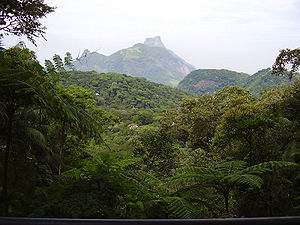
The Tijuca is all that’s left of the Atlantic rainforest that once surrounded Rio de Janeiro. This 39-sq-km tropical jungle preserve is an exuberant green, with beautiful trees, creeks and waterfalls, mountainous terrain and high peaks. It has an excellent, well-marked trail system. Candomblistas (practitioners of the Afro-Brazilian religion of Candomblé) leave offerings by the roadside; families have picnics; and serious hikers climb the 1012m to the summit of Pico da Tijuca.

The heart of the forest is the Alto da Boa Vista area in the Floresta (Forest) da Tijuca, which has many lovely natural and human-made features. Among the highlights of this beautiful park are several waterfalls (Cascatinha de Taunay, Cascata Gabriela and Cascata Diamantina), a 19th-century chapel (Capela Mayrink) and numerous caves (Gruta Luís Fernandes, Gruta Belmiro and Gruta Paulo e Virgínia). Also in the park is a lovely picnic spot (Bom Retiro) and two restaurants – the elegant Restaurante Os Esquilos and Restaurante a Floresta near the ruins of Ruínas do Archer (Major Archer’s House).

300px-floraptrj

The park is home to many different bird and animal species, including iguanas and monkeys, which you might encounter on one of the excellent day hikes you can make here; the trails are well signed. Good, free trail maps are given out at the park entrance.


The entire park closes at sunset. It’s best to go by car, but if you don’t have a vehicle, numerous outfits lead hiking tours including Jungle Me, Rio Adventures and Rio Hiking.

The best route by car is to take Rua Jardim Botânico two blocks past the Jardim Botânico (heading east from Gávea). Turn left on Rua Lopes Quintas and then follow the Tijuca or Corcovado signs for two quick left turns until you reach the back of the Jardim Botânico, where you turn right. Then follow the signs for a quick ascent into the forest, past the picturesque lookout points of Vista Chinesa and Mesa do Imperador. As soon as you seem to come out of the forest, turn right onto the main road and you’ll see the stone columns to the entrance of Alto da Boa Vista on your left after a couple of kilometers. You can also drive up to Alto da Boa Vista by heading out to São Conrado and turning right up the hill at the Parque Nacional da Tijuca signs. Coming from Barra da Tijuca, take Estrada da Barra da Tijuca north, which eventually turns into Rua da Boa Vista, from which there are entrances into the park.


Coming to Brazil

Photo by Caio on Pexels.com


What you need to know to visit Brazil 

  • DOCUMENTS

To obtain a visa for entry into Brazil:
1- Countries that are listed in the Consular Portal  do not require visas for entry into Brazil. Tourists must fill out and print two copies of the Brazilian foreigner entry/exit card

1- Tourists who are residents of Australia, Canada, United States and Japan are visa exempt for entry into Brazil between June 1st and September 18th of 2016 for the period of the Rio 2016 Games. This exemption is valid only for tourism purposes for up to 90 days.

2- Tourists from other countries must request a visa at least seven working days prior to travelling to Brazil. Information regarding documents can be obtained from Brazilian embassies/consulates in each country. For addresses, visit.

Length of stay:

The period of stay for tourists in 90 days and can be extended one time only (for a further 90 days) at any of the departments of the Federal Police.

Types of temporary visas:

For study

The visa is valid for one year and can be extended during the course of study.

For work

The company which is responsible for the entry and stay of the foreigner in Brazil must request a work permit from the Ministry of Labor and Employment click here (content in Portuguese). The visa is granted for up to two years and can be extended for the same period of time.

IMPORTANT: Between May 5th and November 5th of 2016, the Federal Police will waive the visa requirement for the entry of visitors who, in addition to travel documents, also have accreditation with the Olympics and/or Paralympics. These credentials must be presented by all foreigners associated with the Rio 2016 Games, even those nationalities that have visa exemption agreements with Brazil.

Temporary residence visa

Temporary residence is valid for two years.


  • Rights and obligations of passengers in air travel:


The National Civil Aviation Agency (ANAC in Portuguese) is the Brazilian federal regulatory agency that establishes rules for air transport in Brazil. In the document “Tips for Passengers”, you have access to information regarding your rights and obligations as an air travel passenger in Brazil. The folder points out some of the questions you may have regarding air tickets, check-in, boarding documents, special assistance and access to gate areas, etc.

Click here to access the digital version of this document.

  • Recommended vaccines:


The Ministry of Health recommends that tourists have their vaccination card up-to-date in accordance with the orientations of the vaccination calendar in the country of origin or residence, at least ten days prior to travel.

IMPORTANT: Brazil does not require the presentation of vaccination certificates for entry into the country, (unless there has been a temporary request), with the exception of travelers arriving from or with the destination of Angola and the Democratic Republic of Congo. This decision follows a recommendation by the Emergency Committee of the World Health Organization (WHO), due to the current outbreak of Urban Yellow Fever in these two African countries.

Before arriving in Brazil, it is recommended that tourists update their vaccination card for the following diseases:

• Influenza (Flu)
• Measles
• Rubella
• Hepatitis A
• Hepatitis B
• Yellow fever

For those wishing to live in Brazil

  • Permanent visas

May be granted in three situations:

– Family re-unification;
– Transfer of residence to Brazil following retirement;
– Foreign investor.
Learn more (content in Portuguese)

Other situations in which permanent residency can also be granted are to those who are:

• refugees or asylum seekers;
• spouses or children of Brazilians;
• legal dependents of a Brazilian, or a foreign permanent resident, or a temporary resident, older than 18 years of age;
• spouse or partner of a Brazilian, or a foreign permanent resident, or a temporary resident, in a stable union, independent of gender;
• holders of a temporary visa with the status of professor, technician, or high level researcher, or foreign scientist;
• victims of human trafficking; and
• foreigners who have lost their status of permanency due to being absent from the country for more than two years.

Click here for more legal details for each case (content in Portuguese)

  • Foreigner Identity Card (CIE)

This document can be provided to temporary and permanent foreign residents, asylum seekers and refugees, who are duly registered with the Federal Police.

How to issue the CIE: 

1. To fill out the registration request form for the emission of the foreigner identity card (1st and 2nd copies), renewal, and the Mercosul Residency Agreement, click here.
2. Click here to generate the GRU (Guia de Recolhimento da União,- Federal Payment Form; a document similar to a common bank payment form and its payment can be made in any bank, ATM, lottery retailers, and post office, following the criteria established by these correspondent banks).
3. Visit an office of the Federal Police with the required documents, GRU paid, form filled out and the appointment request protocol.
4. Check here for available appointment times.
5. Fill in the request code printed in the header of your form.
6. To reprint the form, click here.
7. Reschedule your appointment or cancel your appointment.

  • Driving in Brazil

Tourists with driver’s licenses in their countries of residence may drive in Brazil if their stay is less than 180 days. For longer periods, it is necessary to obtain a Brazilian driver’s license.

Click here to access the regional offices of the National Transit Department (content in Portuguese).

Source: http://www.brazil.gov.br/about-brazil/coming-to-brazil

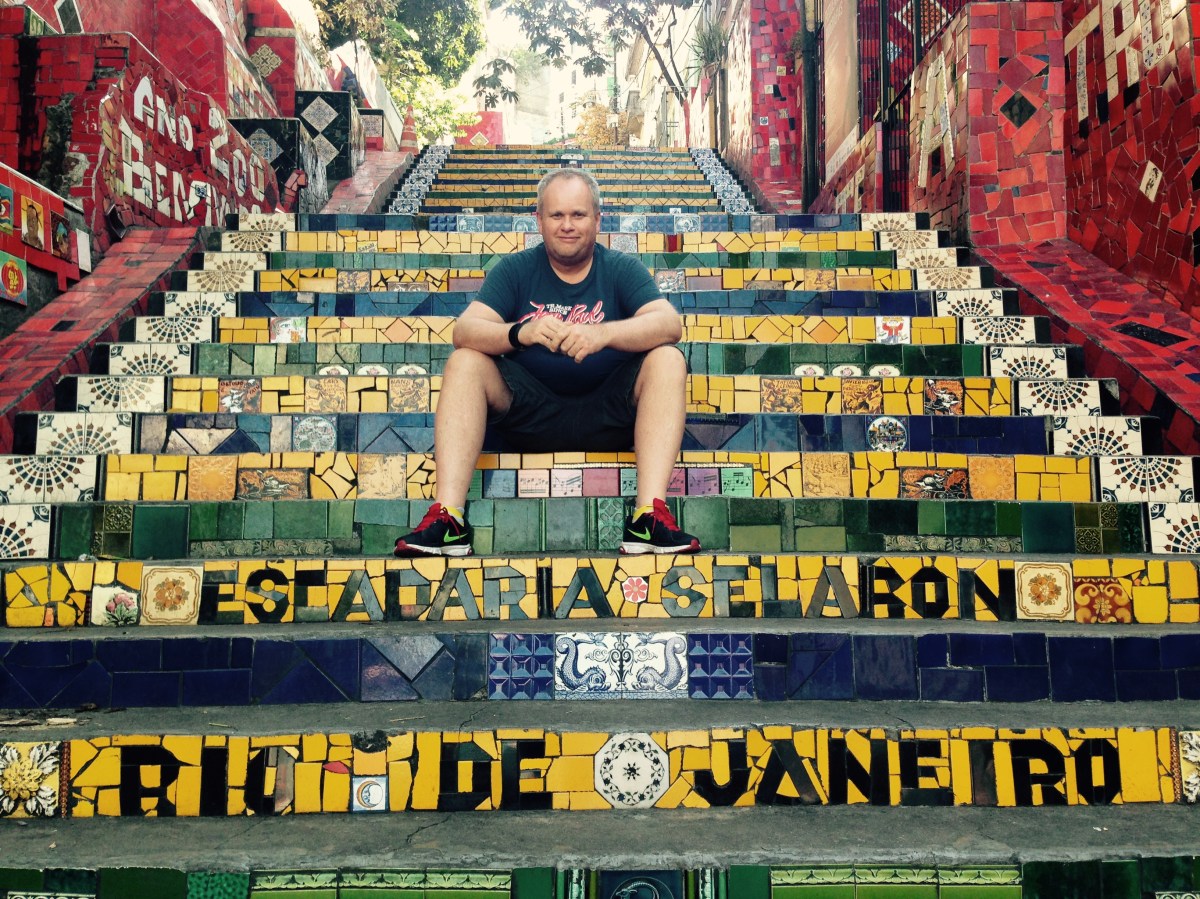
Escadaria Selarón landmark in Santa Teresa & Lapa

Volta Top choice brazilian in Gávea, Jardim Botânico & Lagoa

Things to do in Rio De Janeiro Part 1

Pão de Açúcar


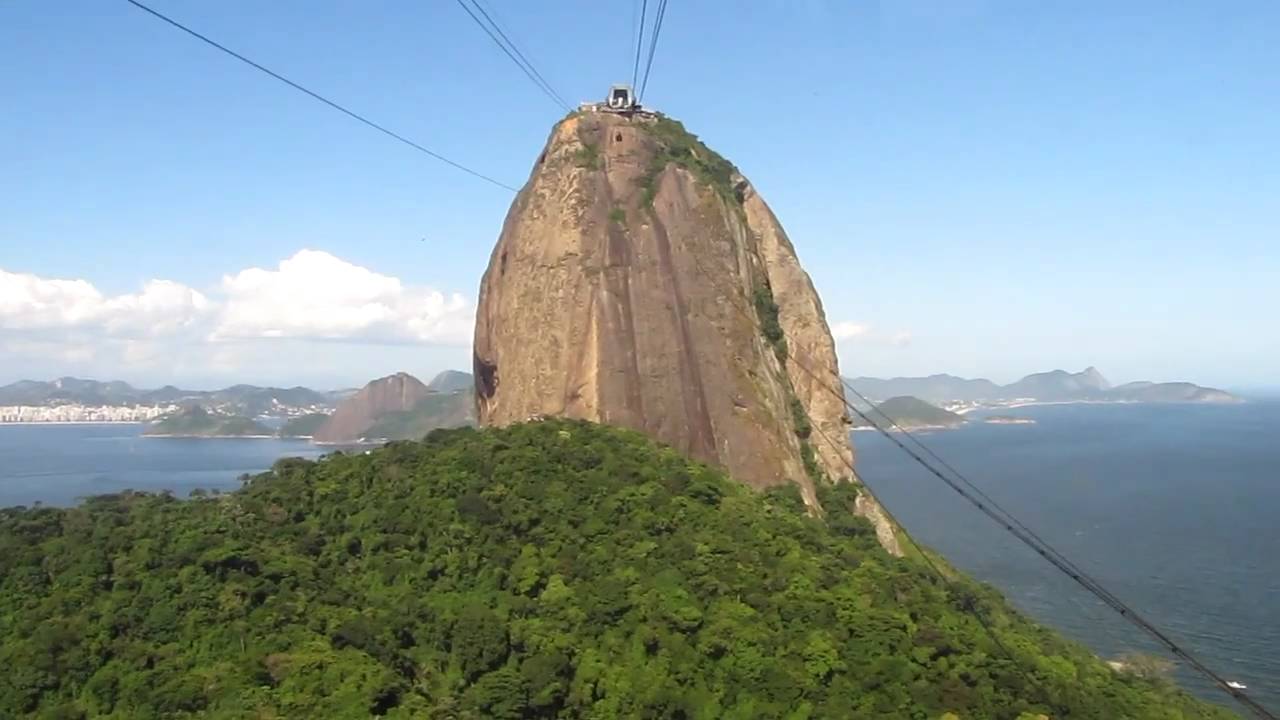
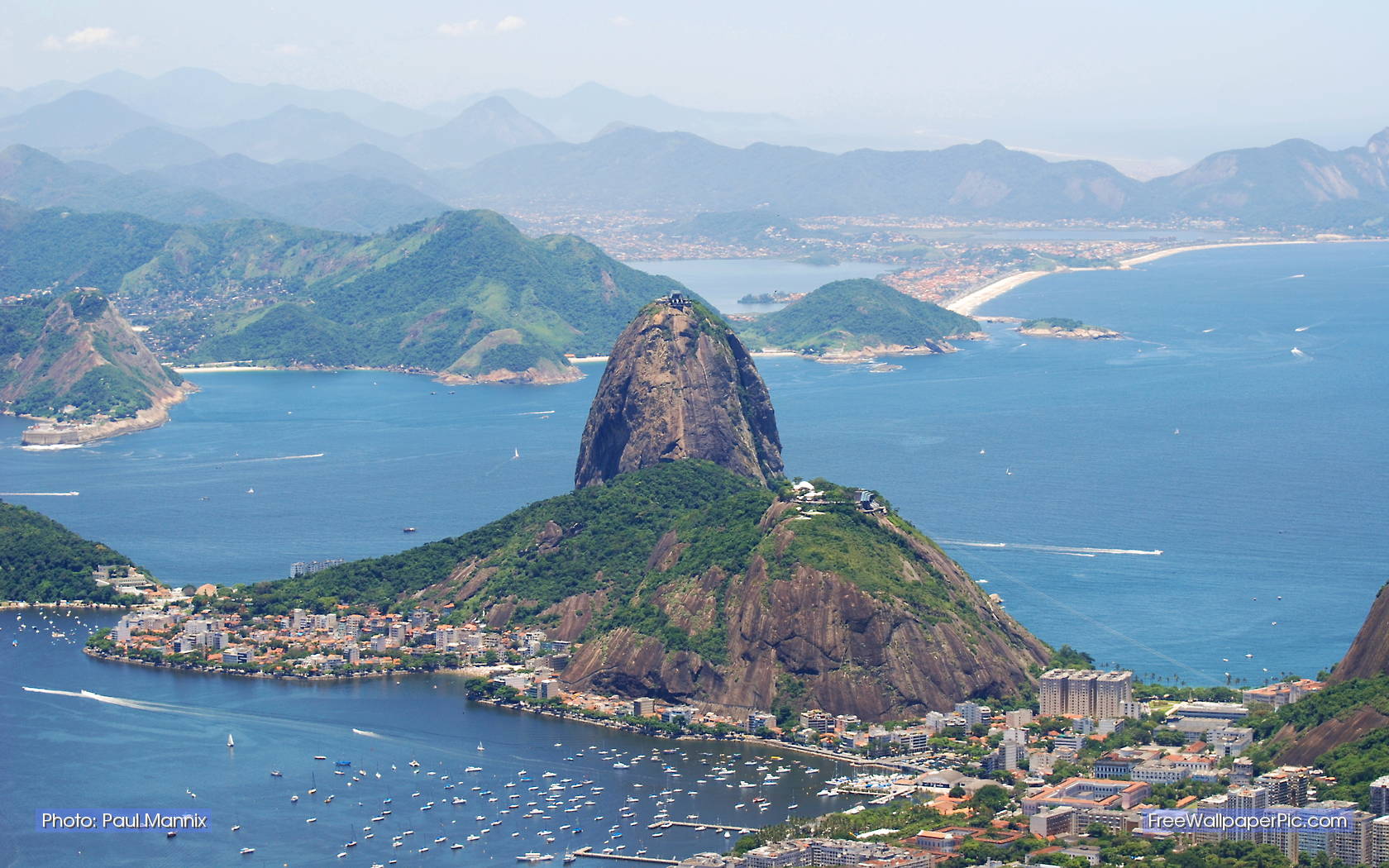
Seen from the peak of Pão de Açúcar, Rio is undoubtedly a Cidade Maravilhosa (Marvelous City). There are many good times to make the ascent, but sunset on a clear day is the most rewarding. Two cable cars connect to the summit, 396m above Rio. At the top, the city unfolds beneath you, with Corcovado mountain and Cristo Redentor (Christ the Redeemer) off to the west, and Copacabana Beach to the south.

A visit to Pão de Açúcar is a must, but be prepared for heavy crowds. If possible, go first thing in the morning – and avoid going on cloudy days.

maxresdefault


The first cable car ascends 220m to Morro da Urca. From here, you can see Baía de Guanabara (Guanabara Bay) and the winding coastline; on the ocean side of the mountain is Praia Vermelha. Morro da Urca has souvenir shops, snack bars (including an excellent fresh fruit and juice vendor) a high-end restaurant and a helipad (helicopter tours are possible).

The second cable car goes up to Pão de Açúcar. At the top, the city unfolds beneath you, with Corcovado mountain and Cristo Redentor off to the west, and Copacabana Beach to the south. If the breathtaking heights unsteady you, a drink stand serves caipirinhas and other drinks.

The two-stage cable cars depart every 20 minutes.

Those who’d rather take the long way to the top should sign up with one of the granite-hugging climbing tours offered by various outfits in Rio. Morro da Urca is much easier to climb, and you can do it on your own. The short but steep path takes about 30 minutes to climb. You’ll find the unmarked trail along the Pista Cláudio Coutinho.

sugarloaf_mountain-rio-de-janeiro-wallpaper