

- Introduction
Traveling can be a great way to experience the world, explore new cultures, and gain new perspectives. However, if you don’t pack wisely, your trip experience can quickly become unnecessarily stressful and hindered. That’s why knowing how to pack effectively for your journey is essential. This guide will provide an overview of the best strategies and tips for packing smartly for any trip—whether a business venture or a family holiday. We’ll discuss the critical considerations for clothing selection, necessary supplies, luggage preparation, and what to expect when going through airport security. By following these guidelines, you can make your travel smoother and more enjoyable from start to finish.
A: Reasons for Smart Packing
Packing wisely for a trip can have several benefits:
- It saves time and energy by allowing you to quickly and easily find what you need in your suitcase or bag.
- It will enable you to more efficiently utilize available space to fit more items in your carry-on luggage without exceeding regulations or allowances.
- Smart packing will also help minimize stress while traveling by reducing the chances of delays or lost property due to airline rules, security checks, and other obstacles.
- The best practices for packing smartly for any trip include: planning, making sure to have the essential items, choosing luggage that meets airline regulations and is suitable for your needs, sorting things by type to make them easier to find, creating a “must-have” list of items you must bring (e.g., passport, boarding pass, etc.), and considering the weight and size of your luggage before departure. Additionally, if traveling with family or friends, it can be helpful to split up large or heavier items into multiple bags so they can efficiently distribute them among travelers.
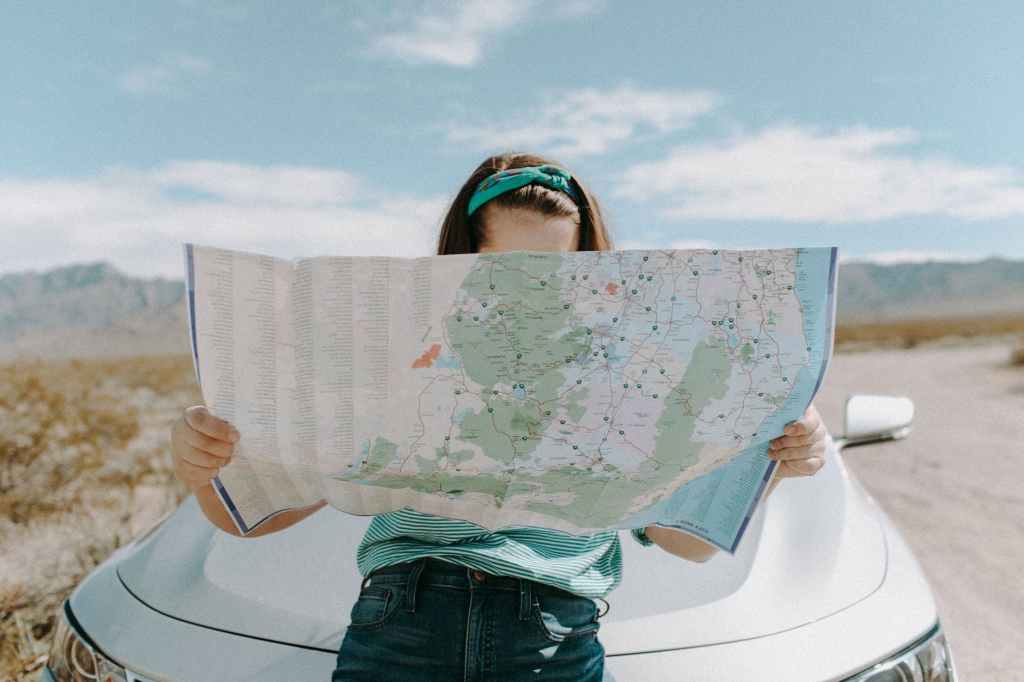
B: Clothing
When packing clothing, choosing items you can mix and match is best. Pack neutral colors so that you can create multiple outfits with fewer pieces. Additionally, pack lightweight and wrinkle-resistant fabrics like cotton or linen so that your clothes remain fresh for the duration of the trip. Lastly, layering is essential – consider bringing a few light sweaters or jackets to layer over t-shirts or dress shirts for added warmth or style, depending on the weather conditions.
C: Choosing the Right Items
- Clothes
When packing, it’s essential to consider the purpose of the trip and select items accordingly. For example, wear professional attire like blazers or suits if you’re going on a business trip. If you’re traveling for leisure, think about what activities you’ll be doing and pack items that will help you enjoy them (e.g., clothes suitable for hiking and a bathing suit for swimming at the beach). Additionally, try not to over-pack – pick out only your absolute necessities!
2. Layers and Accessories
Layers and accessories are vital to making any outfit shine. Adding a scarf or hat helps elevate your look and keep you warm. Consider packing lightweight, versatile layers that transition well from day to night – such as a denim jacket or cardigan. And remember the basics like sunglasses, gloves, and a comfy pair of shoes! Finally, if you’re traveling in the colder months, bring some light scarves, legwear, and cozy sweaters for those brisk days.
- Size, Weight, and Durability Considerations
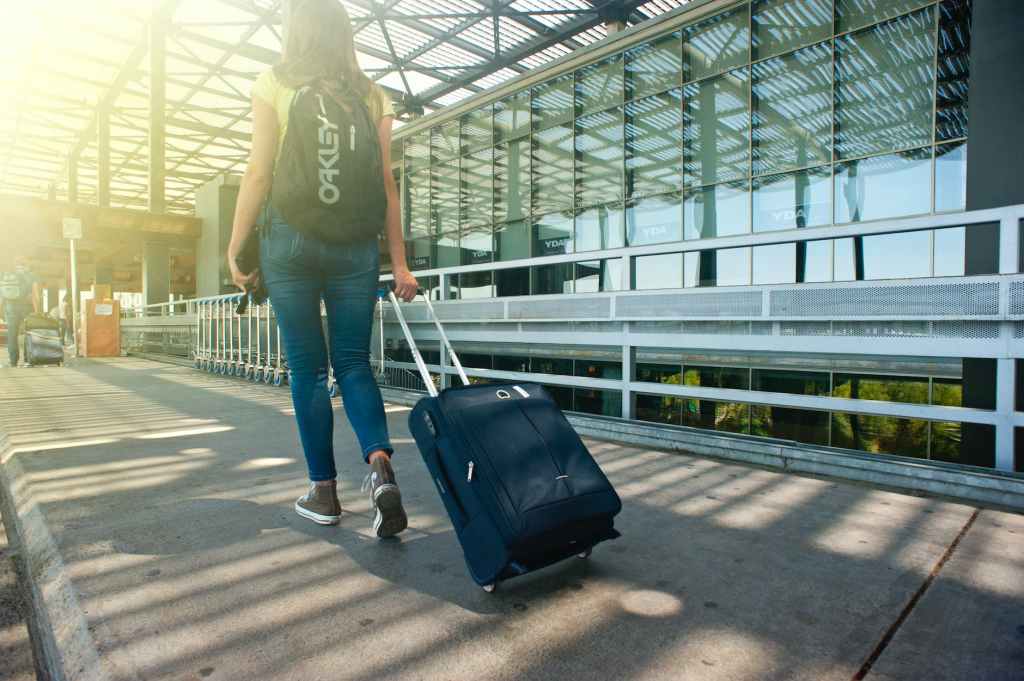
- Regarding packing, size, weight, and durability are all essential factors. When deciding which items to bring, look at the space in your suitcase or carry-on and choose accordingly. Pack what is lightweight and durable enough to make the trip without damage. Additionally, try rolling clothes instead of folding them; this saves space and lessens the risk of wrinkles! Whenever possible, select clothing pieces that can be worn more than once – like a dress that goes from day to night or pants that you quickly dress up or down. Finally, remember to factor in any liquids you need and store them safely in appropriate containers.
- Necessary Supplies
Remember the necessary supplies that can make or break any trip! Pack the basics like toiletries, medicines, first aid items, and a few extra snacks if you’re traveling far. Bring a small bag for electrical cords and chargers – they always seem tangled in your suitcase. Additionally, consider whether you need a power converter or an adapter plug to charge electronics abroad. Last but not least, pack at least one outfit suitable for unexpected weather changes or extended travel delays.
4. Toiletries and Hygiene Products
Hygiene products are essential for any trip, whether near or far. Pack your usual toiletries – like toothpaste and soap – and any extras that may come in handy, like a small sewing kit, q-tips, and hair ties. Additionally, remember to include facial cleansers and moisturizers if your skin is sensitive to changes in climate or water quality. For added convenience, use travel-size bottles for all your liquids to easily fit in your carry-on bag and get through security without hassle. Finally, consider packing a few wet wipes or natural hand sanitizer, just in case!
5. Electronics, Chargers, and Cables
Before leaving, ensure you have the correct power adapter wherever you travel. Pack a few extra charging cords and wall plugs in case of any break during your travels. If you’re planning on using electronics while out of the house, remember to bring backup batteries or portable chargers. Lastly, if you’re getting along with your laptop or other oversized items, include a padded carrying case so that they stay safe and secure during your journey!
6. First Aid Kit and Other Important Supplies
It’s always important to bring a first aid kit along on any trip. Make sure it contains all the basics – like band-aids, antiseptic cream, an antihistamine for allergic reactions, and painkillers – and unique items you might need depending on your destination, such as sunscreen and insect repellent. Additionally, remember other essential supplies like a flashlight, extra pens and paper in case you lose your notepad or need to make lists, and traveler’s checks in case of emergencies. Finally, if camping or hiking, always remember to include a map and compass when packing!
7. Preparing Your Luggage
Packing for a trip can be a stressful experience, but it doesn’t have to be! Start by making a checklist of all the things you need to bring. Consider your destination and activities to make sure you have everything you need. To avoid running out of space in your suitcase, remember to pack lightweight clothing items that are easy to layer. And while it’s tempting to fill up every inch of your bag, remember that you can reuse many things multiple times. Double-check your list before zipping up and heading off on your journey!
8. Arranging Clothes to Maximize Space
Maximizing space in your suitcase can be tricky, but it doesn’t have to be an ordeal. Start by rolling up your clothes instead of folding them, as this takes up less room and reduces the number of wrinkles. If there still needs more space, consider wearing heavier items like jeans or jackets on the plane instead of packing them since they will take up less room when worn. Finally, if you still have trouble fitting everything into one bag, use packing cubes and compressible bags for small items. With these tips in hand, you’ll be able to quickly arrange all your clothes so that you have maximum space!
9. Optimal Packing Strategies for All Types of Bags/Containers
Start by checking your luggage’s weight limit and size restrictions to make sure everything you need will fit. Then, consider how you’d like to organize your items. Pack shoes at the bottom of your bag, clothes in the middle, and toiletries or valuables on top. Additionally, if you are bringing electronic devices, consider packing them in their containers or bags to protect them from any bumps or jostling while traveling. With these simple tips in mind, you’ll be able to maximize the space in any bag or container quickly!
D: Handling Airport Security
Airport security can be a stressful experience, but there are steps you can take to make it easier. First, gather your documents and identification before reaching the airport. Then, give yourself plenty of time – at least two hours before your flight – so you can go through the necessary security checkpoints without feeling rushed. And be sure to wear comfortable shoes that easily slip on and off when going through security, as this will help speed up the process. With these tips in hand, you’ll be able to navigate airport security with ease!

- What to Expect at Check-In Processes Around the World
Plan to arrive two hours before departure to ensure you have enough time to go through security and check in quickly. Once at the airport, you may need to go through document verification and metal detectors or other security devices. Depending on the country, you may also be required to answer additional questions about your trip. With these tips in mind, you’ll be able to navigate checking-in processes at airports around the world confidently!
2. The Do’s and Don’t’s Of Airport Security Lines
When it comes to navigating airport security lines, there are a few things you should keep in mind. Do arrive at least two hours before your flight, wear comfortable shoes that can easily slip on and off to speed up the process, have all necessary documents and identification on hand, and remain patient throughout the process. Don’t bring any unnecessary items that could slow down the security process, such as liquids or large food items, and don’t attempt to get anything prohibited by TSA regulations. Such as weapons or flammable materials, and remember to pay attention to signs which provide additional information about airport security processes. By following these tips, you’ll be able to get through airport security without a hitch!
E: Conclusion
Smart packing for any trip can save you time and energy when traveling. With simple tips and tricks, you can make the most of the space in your suitcase or carry-on and ensure that you remember all essential items. Start by organizing your things into categories like clothing, electronics, toiletries, and other necessities. Pack in layers to maximize space, and consider using compression bags or refillable containers to conserve even more room. Finally, leave some extra wiggle room for souvenirs or unexpected items during your travels!
F: Below is the list I use when I travel.
Documents
Passport, visa
Tickets for airline, boat, train, bus
Copies of passport, tickets, etc
Boarding pass
Drivers license
Health insurance card
List of medications, letter prescriber
Travel Insurance
Student card
Travel aids
Suitcases, backpack
Itinerary
Maps and directions
Language guide
Travel guide
Travel pillow, sleeping mask, earplugs
Travel locks
Luggage tags
Pens and paper
Snacks, drinks
Small pocket knife (not in a carry-on!)
Rope, expandable clothesline
Financial
Foreign currency
Emergency money
Credit card, debit card
Extra wallet
Money belt
Appliances
Cellphone, charger
A photo camera, memory card, charger
Laptop, iPad or Tablet, E-reader, chargers
Travel adapter and converter
Travel iron
Flashlight
Headphones
Clothes
Underwear
Socks
Sleepwear
Shirts, polos
Jeans, trousers, shorts
Dresses, skirts
Shoes, sneakers
Flipflops, slippers
Jackets, coats, raincoats
Belts, ties
Scarves, hats, gloves
Toiletries
Toothbrush, paste, dental floss
Deodorant
Tweezers (not in a carry-on!)
Soap, shampoo, conditioner
Towels
Nailcare
Tissues, toilet roll
Feminine hygiene
Makeup, makeup remover
Shaving supplies
Skin products
Brush, comb, and hair products
Glasses, contact lenses, supplies
Health
Medications, pain reliever
First aid kit
Insect repellent
Oral Rehydration Solution (ORS)
Mosquito net
Birth control, condoms
Vaccines, health/dental checkups
Vitamins
Hand sanatizer/desinfectant
General activities
Swimsuit and big towel
Walking shoes
Sunglasses
Sunscreen
Umbrella
Daypack
Books, e-books, magazines
 "Wanderlust Chronicles: "A Journey Through the World's Wonders"